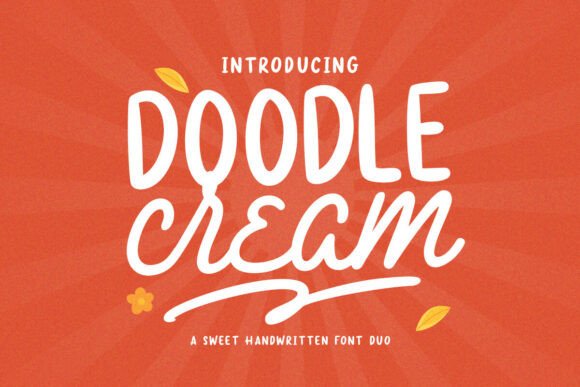
Doodle Cream: A Playful Font for a Consistent, Charming Brand Identity
When you run a small business, every visual detail counts. Whether you're launching a new product line, designing your café menu, or creating Instagram posts for your handmade shop, your brand needs to feel cohesive and professional. That’s where Doodle Cream comes in. This sweet, handwritten font duo adds a friendly, approachable touch to your brand visuals without sacrificing clarity or consistency.
What Makes Doodle Cream Unique
Doodle Cream is a charming script font paired with a playful sans serif. The script style feels like a personal handwritten note, while the sans adds a clean, modern balance. Together, they create a versatile typeface that’s ideal for businesses that want to feel fun and friendly, yet still polished. Whether you're designing a logo for your boutique or labeling your handmade candles, Doodle Cream brings a sense of warmth and personality that customers instantly connect with.
How Doodle Cream Elevates Real Business Materials
From product packaging to digital ads, Doodle Cream works across a wide range of business applications. Here are just a few ways small business owners can use this font effectively:
- Logo design – Use the script style for a soft, memorable logo that stands out in a crowded market.
- Packaging design – Apply the sans serif version on labels and tags for a clean, readable look that still feels handmade.
- Social media graphics – Add a personal touch to your Instagram stories or Pinterest pins with Doodle Cream as a headline font.
- Thank-you cards and stickers – Print custom thank-you notes or product stickers that match your brand voice.
- Website banners and email headers – Make your online presence feel warm and inviting with a consistent font across digital assets.
Why Font Choice Matters for Small Businesses
Fonts aren’t just about aesthetics—they’re a core part of your brand identity. When used consistently, a well-chosen typeface like Doodle Cream helps your business look more professional and trustworthy. Customers begin to associate your font with your brand, making it easier to recognize your products, packaging, and digital content at a glance.
For example, a small bakery using Doodle Cream on its menu, packaging, and social media posts will appear more cohesive than one that mixes multiple unrelated fonts. This kind of consistency builds brand recall and makes your business feel more established—even if you're just getting started.
Realistic Use Cases for Doodle Cream
Doodle Cream is especially well-suited for businesses that want to feel approachable and creative. Consider these practical examples:
- A boutique owner using Doodle Cream for a soft, feminine logo and product tags.
- A candle maker printing labels with the sans serif version for clear, readable descriptions.
- A wellness coach using the script font in digital marketing materials to create a calming, personal tone.
- A café owner applying Doodle Cream to menu boards and printed flyers for a warm, handwritten feel.
- An online shop branding its packaging and thank-you notes with a consistent, branded font.
How to Use Doodle Cream Effectively
While Doodle Cream is playful and expressive, it works best when used thoughtfully. Here are a few tips to make the most of this script font:
- Use it as a headline or display font – Doodle Cream shines in titles, logos, and short phrases where you want to draw attention.
- Pair it with a clean sans serif – For body text or longer descriptions, pair Doodle Cream with a simple, readable font to keep your design balanced.
- Test for readability – Especially on small labels or mobile screens, make sure the font is still clear and legible before printing or publishing.
- Stick to one or two font weights – Avoid using too many different fonts in one design. Let Doodle Cream be your main personality, and keep supporting text simple.
Font Pairing Tips for a Polished Brand
Font pairing is essential for creating a professional look. Doodle Cream pairs beautifully with clean, modern sans serif fonts like Montserrat, Lato, or Open Sans. If you're designing a more traditional brand identity, you might also pair it with a readable serif font like Merriweather or Playfair Display. The key is to create contrast between the expressive script and the more neutral supporting typeface.
For example, use Doodle Cream for your logo and headlines, and a simple sans serif for your website body text or product descriptions. This creates a visual hierarchy that guides the eye and makes your content easier to read.
Readability in Real-World Applications
One of the most important things to consider when using a decorative font like Doodle Cream is readability. While it’s perfect for headlines and logos, it may not be the best choice for long paragraphs or very small print. Always test the font in the actual size and format you’ll be using—whether that’s a product label, social media thumbnail, or printed flyer.
If you're using Doodle Cream on packaging, zoom in on your design to make sure the letters are clear and distinct. On digital platforms, check how the font appears on mobile devices, where screen resolution and size can affect legibility.
Test Before You Commit
Before using Doodle Cream across your entire brand, test it in a few key places first. Create a sample label, mock up a social media post, or design a simple business card. This gives you a real-world preview of how the font performs across different materials and formats.
You might also want to share the test designs with a few customers or peers to get feedback. Sometimes a font that looks great on screen doesn’t translate well to print or small sizes. Testing helps you catch issues early and avoid costly design mistakes.
Check Licensing Before Use
When you're using fonts for business purposes—whether on product packaging, social media templates, or client work—it’s important to verify the font's licensing. Make sure Doodle Cream is licensed for commercial use and that you have the right to use it in the way you're planning.
Some fonts are only free for personal use, so always read the license agreement carefully. Using a font without proper permission can lead to legal issues down the line, especially if you're selling products or offering branded templates.